


How Long Do Paver Driveways Last in South Louisiana?
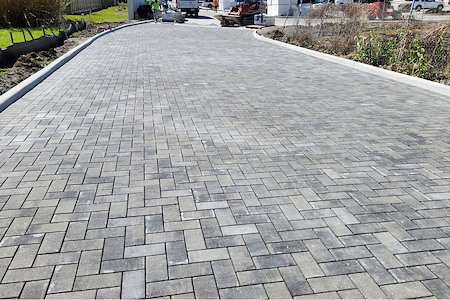
If you want the clearest answer on paver driveway lifespan Louisiana, here it is: a well‑built paver driveway in South Louisiana can perform for decades when it is engineered for our climate and maintained on a simple schedule. In New Orleans, heat, heavy rain, and shifting soils test every surface. That is why homeowners who choose paver driveways designed for local conditions see the best long‑term value.
Before we get into numbers, one quick note on research. If you’re comparing options and want a baseline, this guide links to additional resources across our site, including a deeper look at permeable pavers for neighborhoods that see frequent street flooding.
Typical Lifespan Ranges For New Orleans Homes
With proper design and professional installation, paver driveways in our area often last 30 to 50 years or more. The wide range is due to local variables like drainage, traffic, tree roots, and soil movement. Homes in Lakeview and Gentilly that see repeated ponding from summer storms may require different details than shaded Uptown lots or tighter streets in the Bywater and Marigny.
What shortens life is not the paver itself but what happens under and around it. A driveway that was set on a thin base or lacks edge restraint can start to ruffle at the sides and open joints in just a few seasons. The opposite is also true. Driveways with a deep, compacted aggregate base and tight restraints stay level and strong year after year.
What Impacts Paver Driveway Lifespan In South Louisiana
- Soil and base: Our mix of clays and organic soils needs more base depth and better compaction than drier regions.
- Water management: Downspouts, grading, and the water table affect stability and joint integrity.
- Traffic patterns: Turning tires at garage entries, delivery trucks, and boat trailers add concentrated loads.
- Edge restraint: Proper edging prevents spreading at the sides and keeps joints tight.
- Joint sand and sealing: Quality joint stabilization resists washout during summer downpours.
Insist on a deep, well‑compacted base with proper drainage. This one choice protects every other part of the system and pays for itself many times over in longevity.
Climate And Soil Factors Homeowners Should Know
New Orleans experiences long, humid summers and intense rain events. In places like Metairie, Kenner, and the Westbank, quick bursts can push water across a driveway like a shallow stream. That flow can erode bedding layers and wash out joint material if the system was not designed for it.
Our soil can also settle unevenly. That is why experienced local crews thicken the base at transitions like the street apron and garage threshold. They also consider nearby live oaks and magnolias whose roots can lift edges over time. When those details are addressed up front, joint lines remain crisp and the surface stays level.
Maintenance That Extends Service Life
A major reason pavers outperform monolithic surfaces in New Orleans is serviceability. If a section settles or a utility line needs work, individual units can be lifted and reset without visible patches. To keep performance high over decades, plan for light professional upkeep.
- Have a pro check joint sand and edging every 1 to 2 years, especially after very wet seasons.
- Ask about sealer options that match your goals. Some homeowners prefer a natural look; others want color enhancement and added stain resistance.
- Schedule a quick surface inspection after nearby tree work or irrigation changes.
Schedule professional maintenance every 3 to 5 years. Short, preventative visits are far cheaper than corrective work after years of neglect.
Paver Driveways Vs. Concrete In Louisiana: What Lasts Longer?
Both options can look great at first. The difference shows up in year 5, 10, and beyond. Concrete is one large slab that can crack as soils settle and as tree roots push from below. Repairs often remain visible. Interlocking pavers flex as a system and distribute loads through many small units. If a section ever needs attention, it can be reset to look seamless. For homes in flood‑prone blocks and areas with expansive soils, the modular nature of pavers is a long‑term advantage.
Want a deeper dive? Our team recently compared materials and performance in the city. You can find that and more on our local awning and paver articles.
Realistic Expectations By Setting And Use
Historic Streets and Tight Drives
Shotgun homes with narrow, shared access often mean tighter turning radii. Expect more tire scuffing near the curb and at the garage. A reinforced edge and a slightly thicker base where you pivot the wheels can preserve joints for the long haul.
Suburban Lots With Mature Trees
In neighborhoods like Lakeview and Algiers Point, roots can nudge edges over time. Well‑anchored edging and periodic pro inspection keep the layout stable without harsh root cutting near prized trees.
High‑Use Households
If you park multiple vehicles, tow a boat to the Rigolets, or receive frequent deliveries, mention it during design. Your installer can add base thickness and choose a pattern that resists rutting under turning tires.
How Design Choices Influence Durability
Pattern matters for performance. Herringbone interlocks strongly under vehicle loads, and basketweave or running bond can be engineered to handle cars when borders and restraints are done right. Color and texture are about taste, but darker blends can help minimize the look of tire marks common on tight approaches.
Permeable systems are a smart fit for many blocks inside the levees. They let water pass into a prepared reservoir below the surface, reducing runoff and standing water. If your driveway sits lower than the street or backs up during summer storms, exploring permeable pavers may add both resilience and curb appeal.
What To Ask Your Installer
Choosing the right partner sets the tone for the next 30 to 50 years. Ask about base depth by area, compaction methods, drainage routing, and edge restraints. Request details on joint stabilization suited to high‑rain, high‑humidity conditions. Finally, clarify a maintenance plan so you know when to schedule quick checkups.
Choose an installer who builds for our soil and storm water. Local experience shows up in the small, protective details you will not see after day one, but you will appreciate after year ten.
Signs Your Driveway Needs Professional Attention
- Edges spreading or curbs separating from the field of pavers
- Recurring puddles or wash lines after storms
- Noticeable dips where vehicles pause or turn
- Open joints or joint sand consistently disappearing
If you spot one or more of these, do not wait. Small corrections today prevent larger resets down the road. Do not ignore pooling water or loose edge pavers. Those are early warnings worth a quick service visit.
Lifespan And Value: The Takeaway For New Orleans
Across New Orleans, Metairie, and Kenner, the longest‑lasting driveways share a pattern. They start with a deep, compacted base tailored to the soil, move water away from the home, lock edges to prevent spread, and receive light professional care. When those boxes are checked, paver systems deliver the durability and flexibility our climate demands.
For more background as you plan, bookmark this resource on paver driveway lifespan louisiana and share it with anyone helping you evaluate materials or design options.
Ready To Plan Your Paver Driveway In New Orleans?
If you want a driveway built for South Louisiana’s weather and soils, start with a conversation. The team at Mudbug Pavers designs and installs systems that balance beauty, strength, and serviceability for the long run. Tap into our local experience and see how the right base, pattern, and edging choices translate into decades of confidence. When you are ready, call 985-340-0803 or explore options for paver driveways with a specialist.
Prefer to look around first? Browse regional inspiration and homeowner guides on our articles, then come back with notes. When it is time to move forward, we will walk your site, tailor the design to your block, and schedule professional care milestones so your driveway keeps performing for decades.